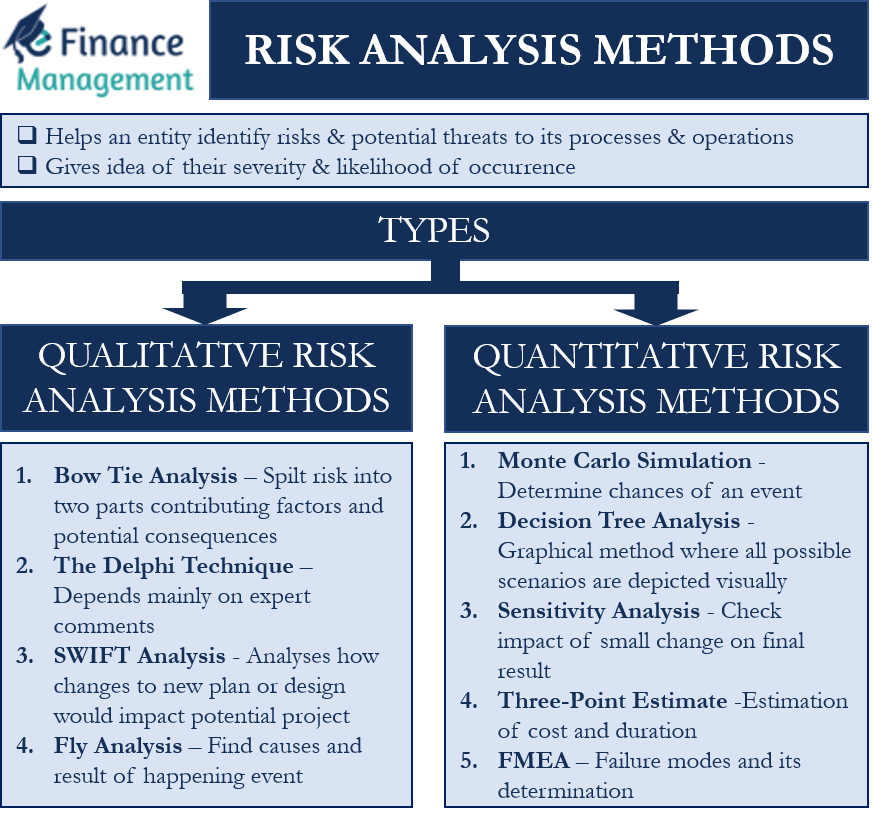
Risk Analysis Methods: Understanding the Term In a business, there are different types of threats and risks. There are different reasons and factors that… Read Article
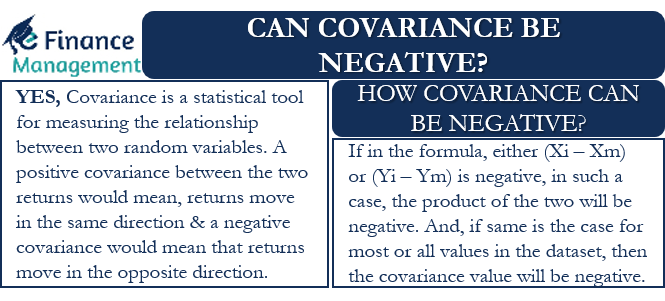
Covariance is a statistical tool for measuring the relationship between two random variables. It essentially indicates the direction between the two variables. It is… Read Article
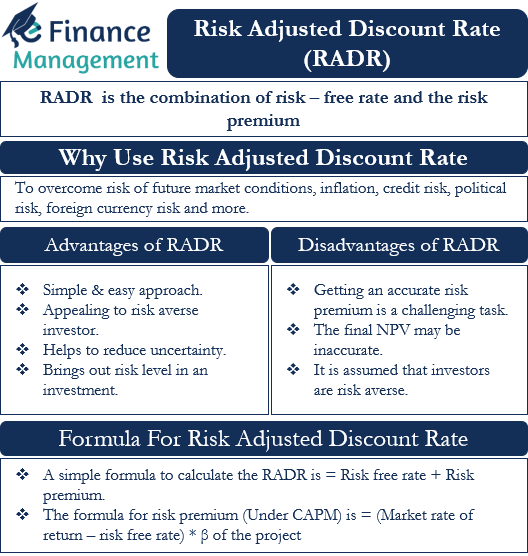
What is Risk-Adjusted Discount Rate? Risk-Adjusted Discount Rate (RADR) is sum total of two components. And these components are the risk-free rate and the… Read Article
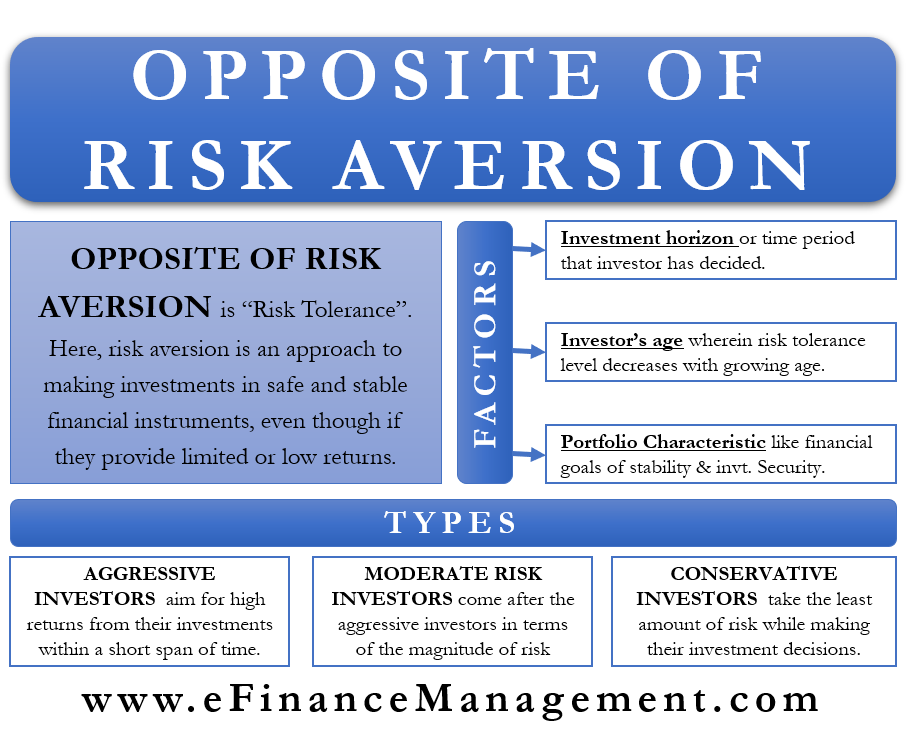
What is the Opposite of Risk Aversion? Risk aversion is an approach to making investments in safe and stable financial instruments, even though if… Read Article
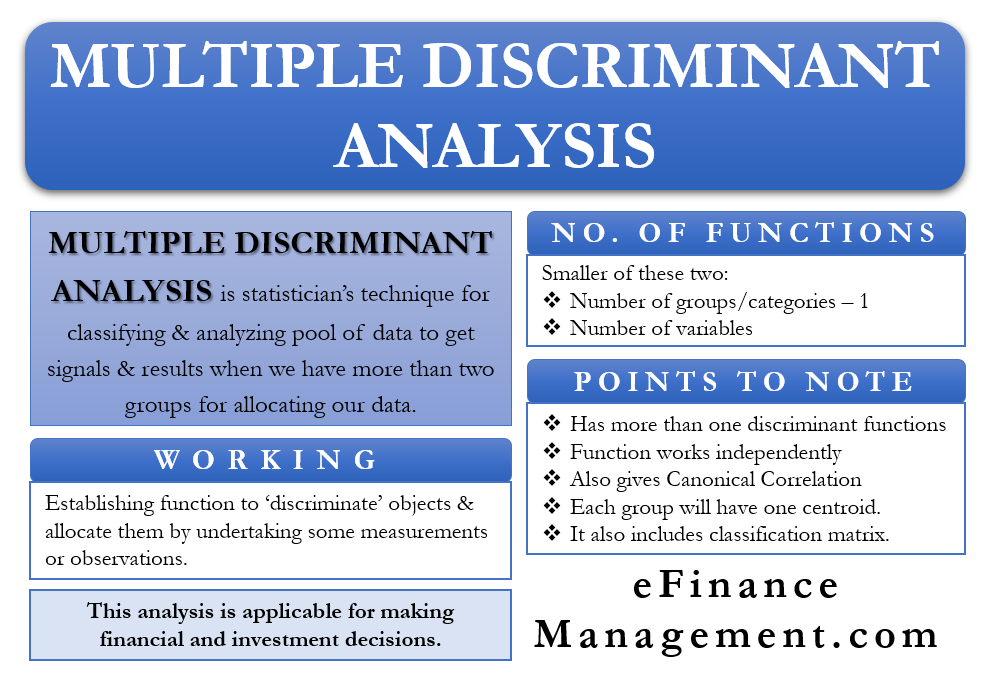
To better understand Multiple Discriminant Analysis, let’s first understand Discriminant Analysis. So, Discriminant Analysis is a regression technique that we use in statistics to… Read Article
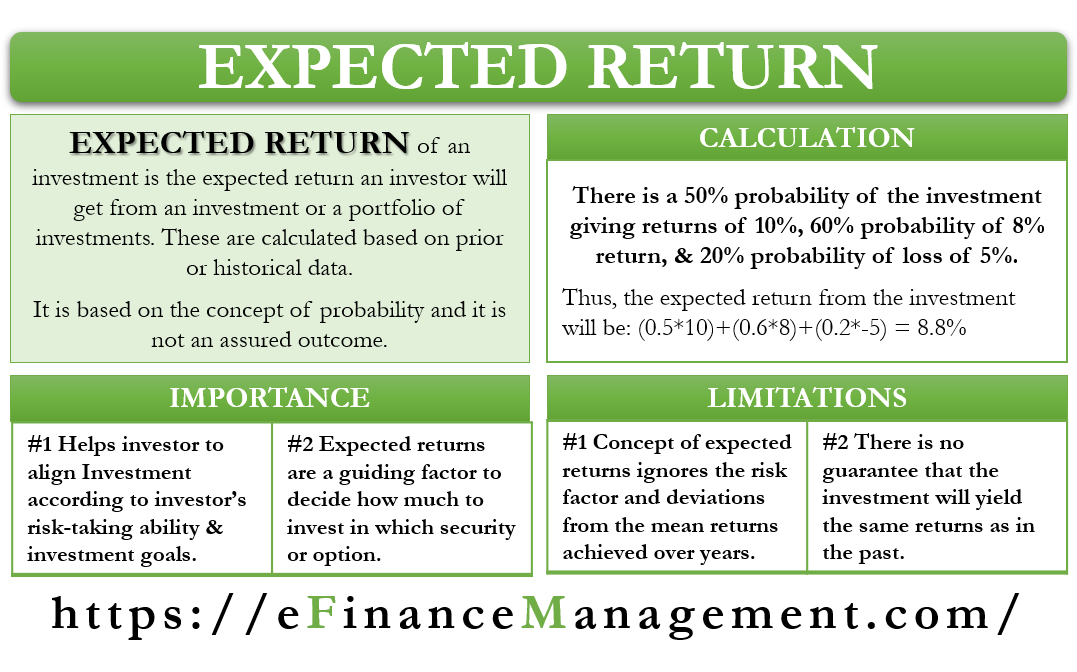
Meaning of Expected return The expected return of an investment is the expected return an investor will get from an investment or a portfolio… Read Article
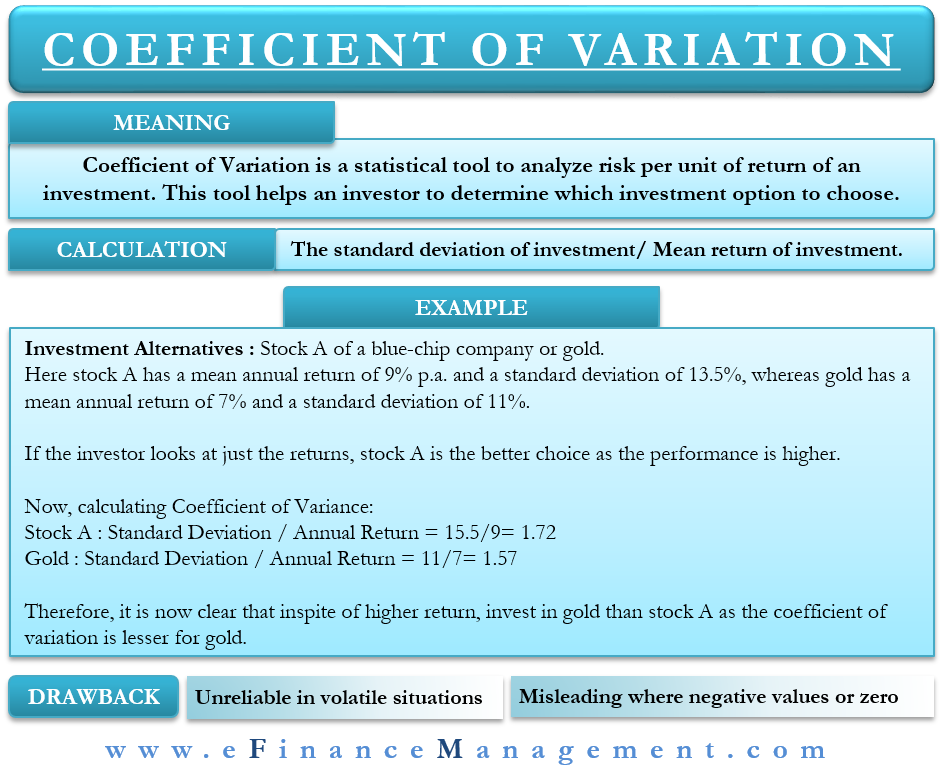
Meaning of the Coefficient of Variation Coefficient of Variation (CV) is a statistical measure that helps to measure the relative variability of a given… Read Article