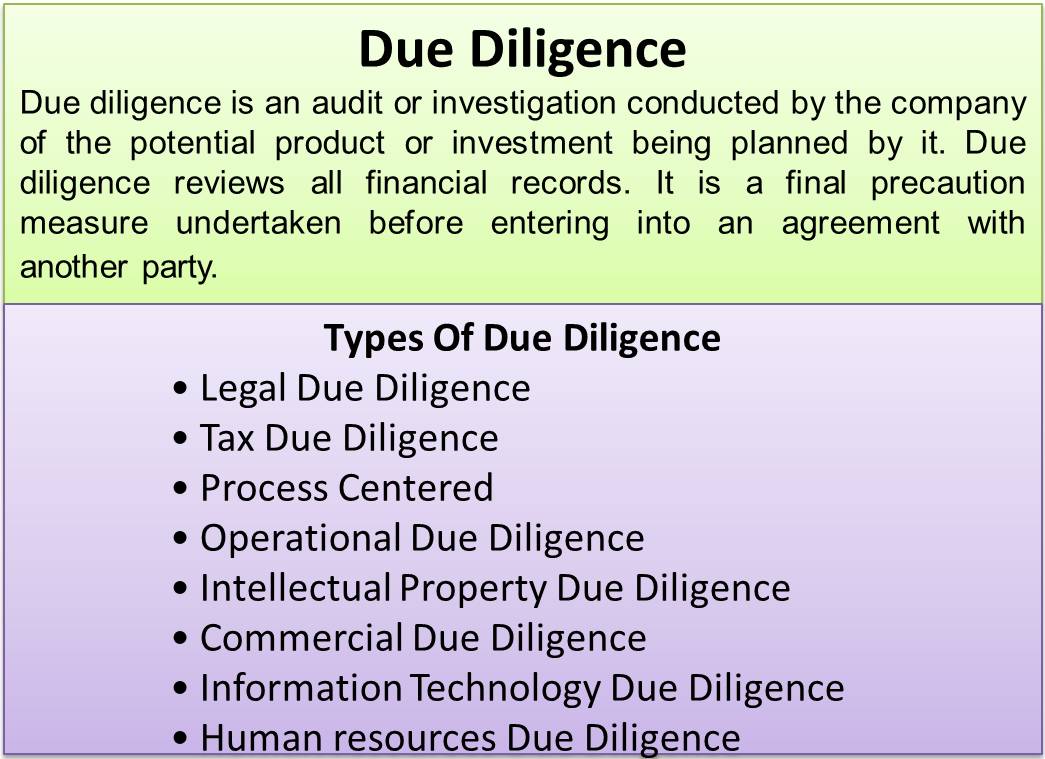
Meaning of Due Diligence Due diligence is an audit or investigation that a company of the potential product or investment conducts. It reviews all… Read Article
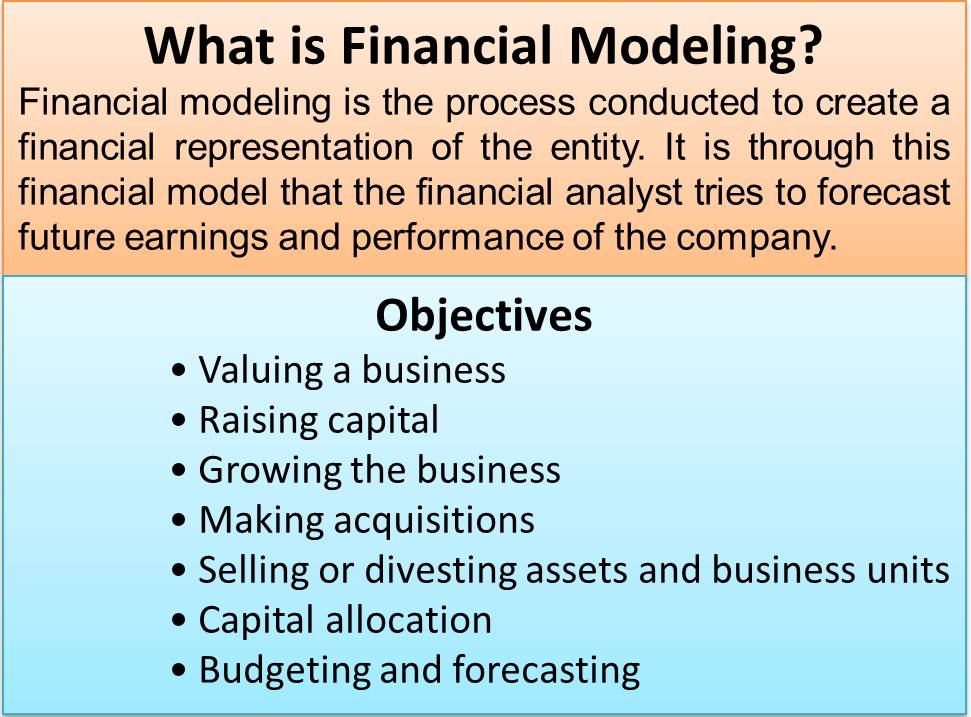
Meaning of Financial Modeling Financial modeling is the process conducted to create a financial representation of the entity. Through this financial model, the financial… Read Article
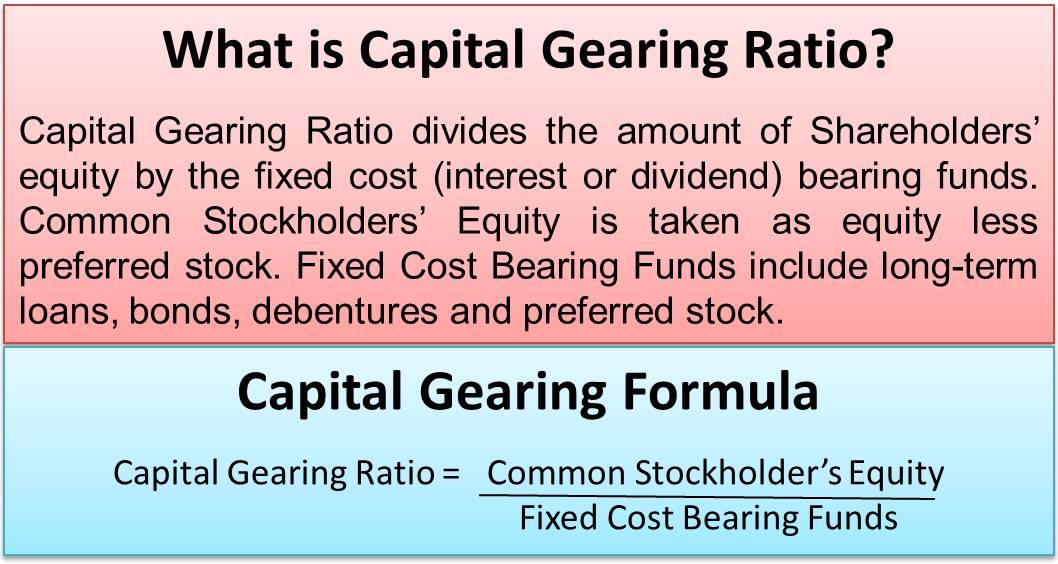
For understanding the meaning of the capital gearing ratio, we need to first understand the meaning of capital gearing. So, let us see what… Read Article
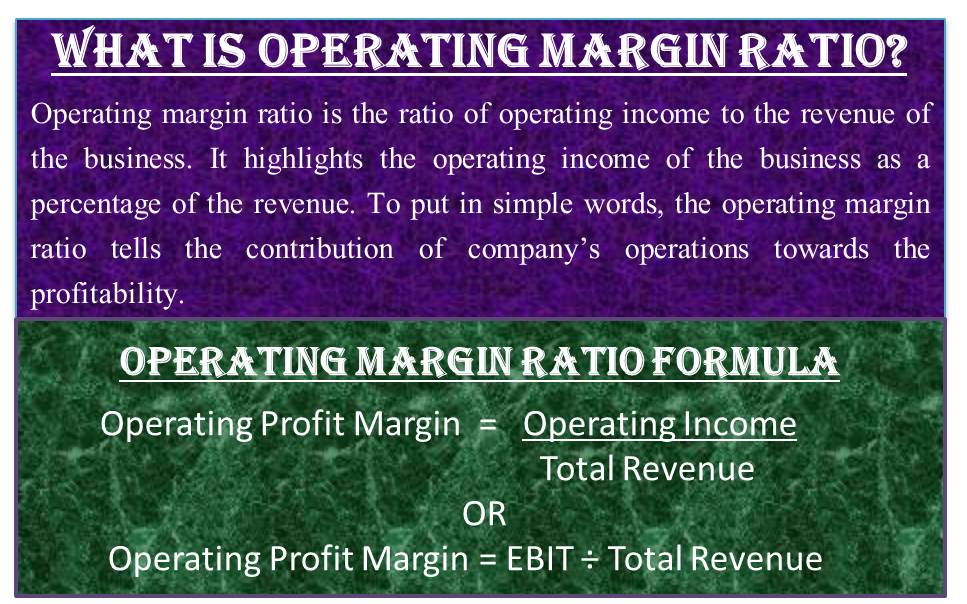
What is the Operating Margin Ratio? The operating margin ratio is the ratio of operating income to the revenue of the business. It highlights… Read Article
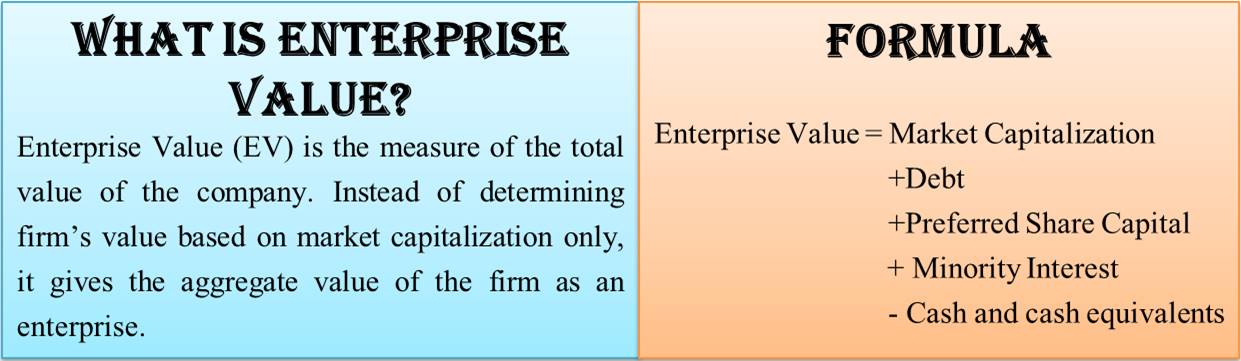
What is Enterprise Value? Enterprise Value (EV) is the measure of the company’s total value. Instead of determining a firm’s value based on market… Read Article
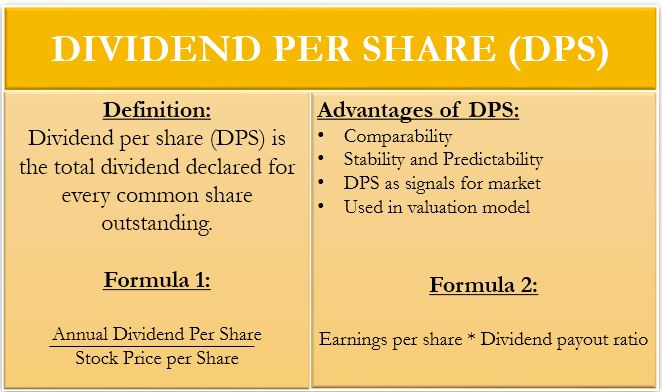
Dividend Per Share: Definition Dividend per share (DPS) is the total dividend declared by the company divided by the total number of common outstanding… Read Article
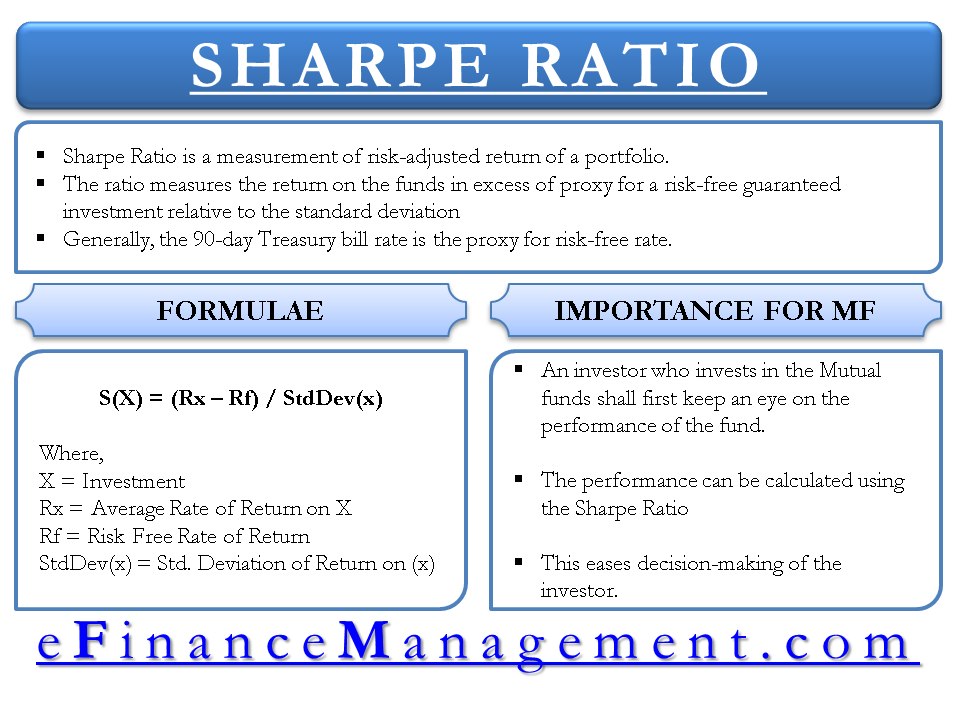
What is Sharpe Ratio? Sharpe Ratio is a measurement of the risk-adjusted return of a portfolio. The concept is named after William F. Sharpe… Read Article
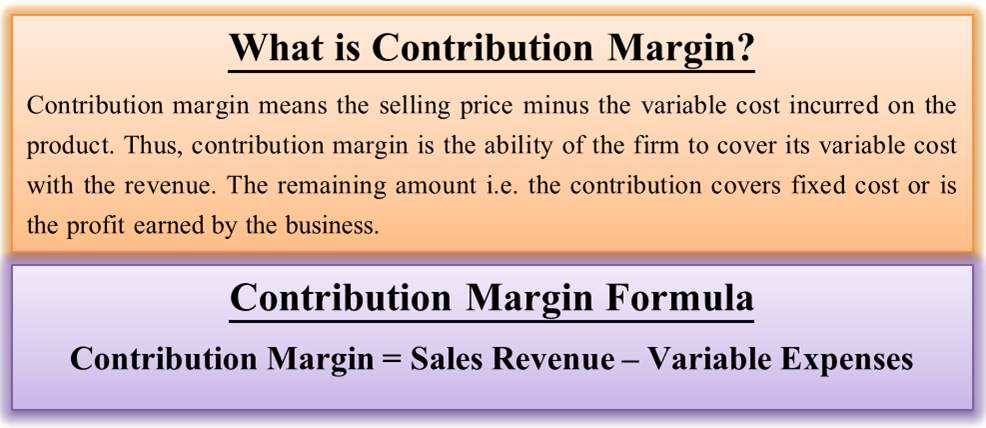
Contribution Margin: Definition In a very simple language, contribution margin means the excess of selling price over the variable cost of manufacturing. This term… Read Article
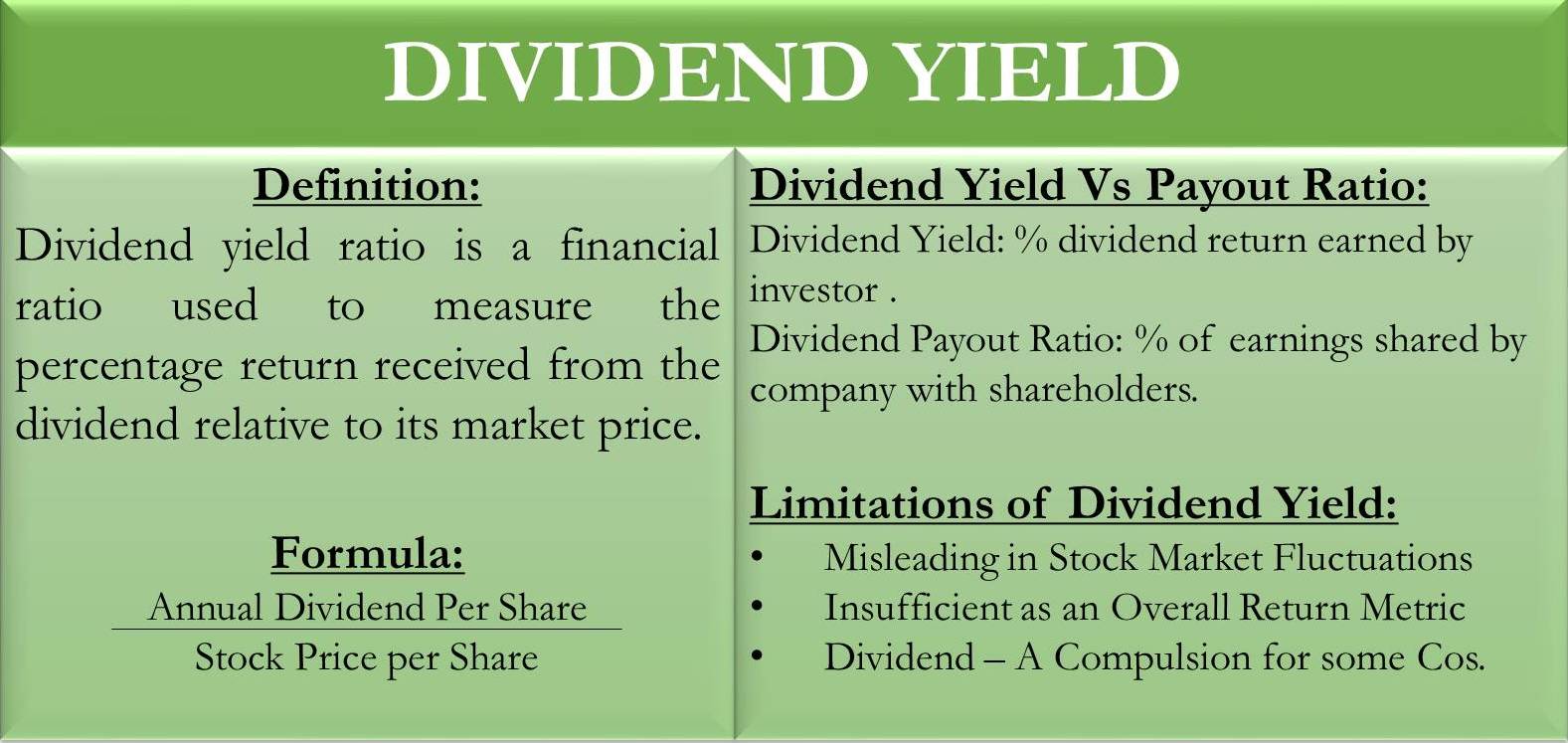
Dividend Yield Ratio: Definition Dividend yield refers to the dividend income earned by the shareholder as a percentage of the market price of the… Read Article